
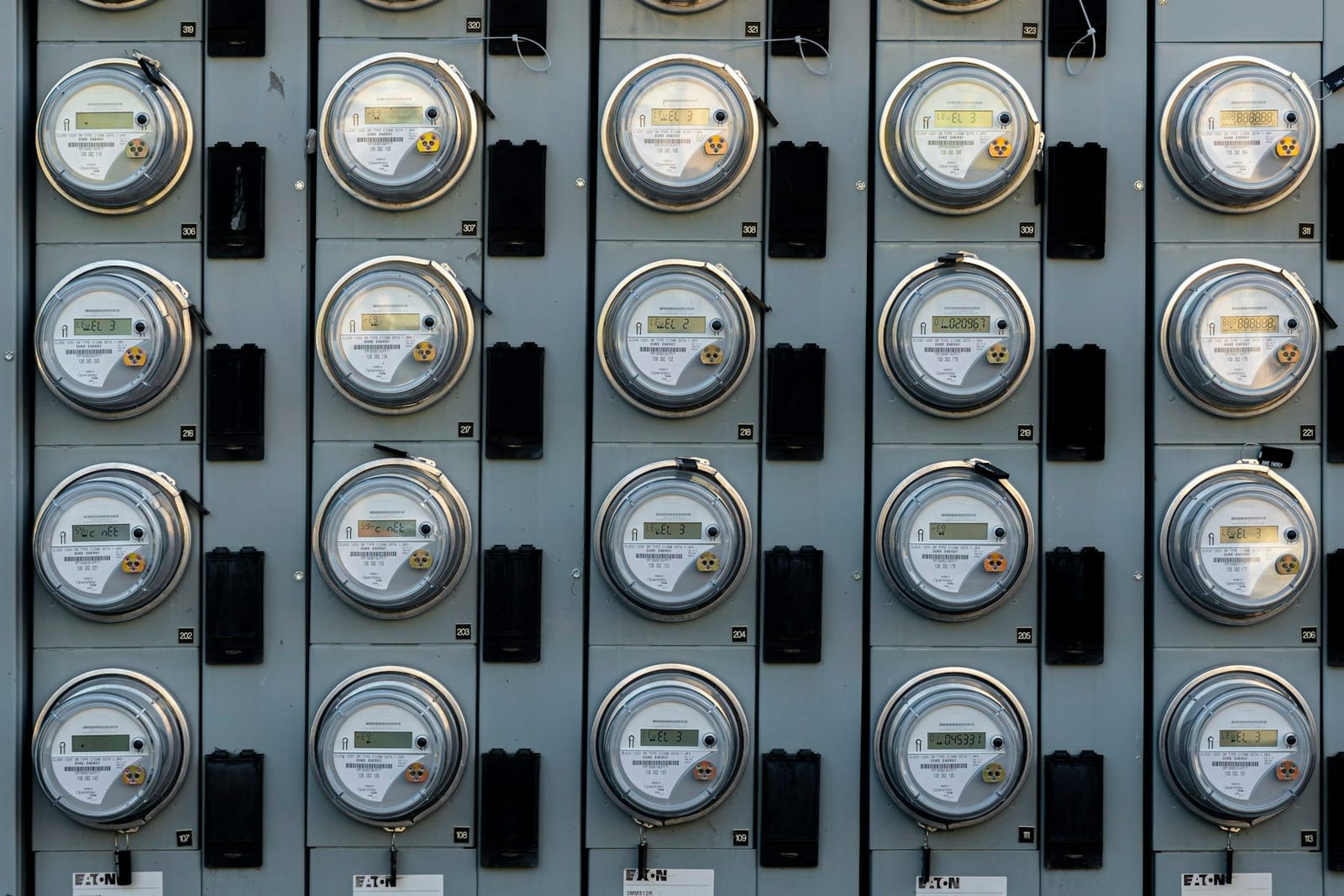
Prepaid Meter Installation in Abuja: What the Electrical Work Involves
Who supplies the meter, what an engineer installs around it, and how to avoid the faults that cause hot terminals and trips, from a team that has fitted prepaid meters in more than 1,000 homes.
Who supplies the meter and who installs the electrical work
In Abuja, a customer normally gets a meter through the electricity distribution company or one of its approved meter providers, and the meter is registered to the customer through that route. That part is between you and them, and it is worth confirming the current process with them directly before you pay anyone.
What surrounds the meter is electrical engineering work: the meter board or enclosure, the incoming and outgoing cables, the protection, the earthing, the connection and the testing. That is the part a qualified electrical engineer does, and it decides whether the meter reads correctly, stays cool and keeps the building safe.
What we install and check around a prepaid meter
A meter is only as reliable as its connection. We fit the meter on a secure, accessible board, use cables sized for the real load rather than the minimum, terminate them properly, and put the right breaker in front of the supply so a fault trips the breaker instead of damaging the meter.
Before anything is switched on we test polarity, earthing and insulation, and label the circuits so the next person to open the board can understand it. For three-phase supplies we also check that the load is balanced across the phases.
Fitting prepaid meters across a whole estate
On a Life Camp estate we installed prepaid meters for more than 1,000 houses. At that scale the job is about repeatability: every meter installed and connected to the same standard, house after house, and the work sequenced so residents lose power for as short a time as possible.
The same discipline applies to a single home. You can read how the estate job went in the Life Camp prepaid meter installation case study.
Problems we are called to fix
Loose or poorly crimped terminals that run hot and eventually burn the meter base. Cables that are too small for the load and overheat. Boards with no earthing. Meters mounted where nobody can reach them to read or top up. Mixed-up phases on three-phase supplies that leave one phase overloaded.
All of these are cheaper to prevent at installation than to repair later, and most can be found with a proper inspection of the board and the cable run.
What to have ready before you book
Whether the supply is single-phase or three-phase, the approximate load you expect to run, photos of the existing meter board and distribution board, and whether the building already has an account or meter number with the distribution company. Tell us about any access issue, such as a locked meter room or a gate.
If you are still planning the building, ask for the meter position to be set out on the plan so the cable route is short and the board is easy to reach.
Looking for meter installation training?
We do not run a stand-alone meter installation course. Students and trainees who want to learn installation and testing work can apply for supervised practical placements through our Industrial Training, Apprenticeship and Internship programmes on the careers page.
Scope a job with our team
Tell us what you need built, fixed or installed. We’ll look at it properly and come back with a scoped assessment.