
What Smart Lighting Control Gives You Beyond a Dimmer
The case for smart lighting is usually made on convenience alone. The stronger reasons are elsewhere.
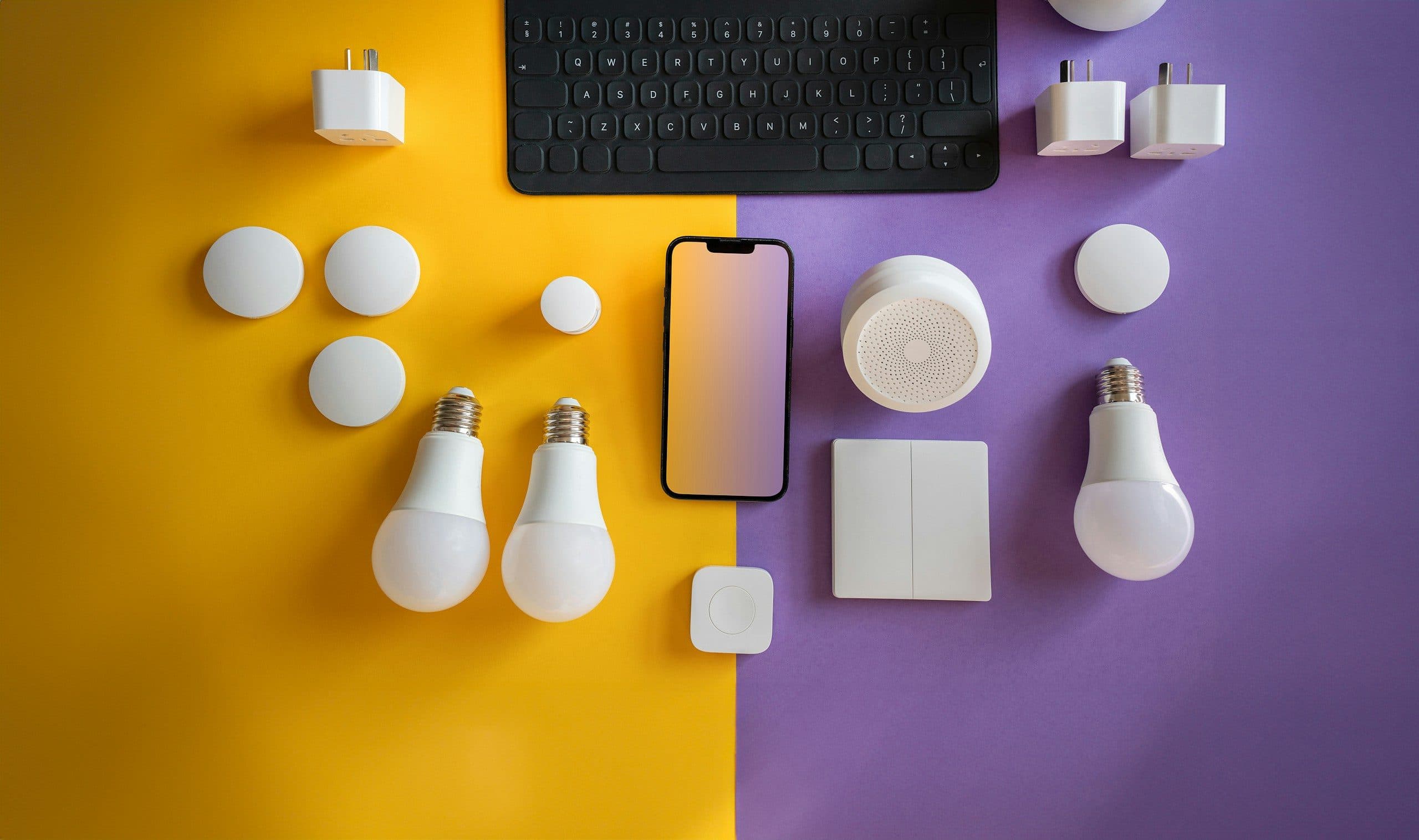
Scheduling and scenes reduce load left running by accident
Lighting left on in unoccupied rooms or full-brightness fixtures running through daylight hours is a common, unmonitored source of wasted consumption. Scheduled and scene-based control fixes this. Lights follow occupancy or the time of day, so nobody has to remember to switch them off.
Occupancy and presence simulation as a security layer
Scheduled lighting that varies believably while a property is empty (rather than a single light left on continuously, which is an obvious tell) is a low-cost deterrent layer that works alongside, not instead of, CCTV and access control. It's a real security benefit as well as a convenience.
Centralized control replaces a scattered set of switches
A property with lighting controlled from a single app or panel, grouped logically by room or zone, is a materially different day-to-day experience than one with switches scattered across walls with no consistent logic. It’s the difference between a system people actually use and one they work around.
The benefit comes from designing it in
Smart switches and fixtures added one at a time as individual purchases, without a coordinated electrical and control-panel design behind them, tend to end up as devices that don't talk to each other. Integrating lighting control into the electrical design from the start (or retrofitting it properly, after a site assessment of the existing circuits) is what delivers the scheduling, scene, and centralized-control benefits above.
Scope a job with our team
Tell us what you need built, fixed or installed. We’ll look at it properly and come back with a scoped assessment.