
CCTV System Planning: Camera Placement and Cabling Basics
Camera count is the least important decision in a CCTV system. Placement and cabling are what actually determine whether it works.
The goal is coverage
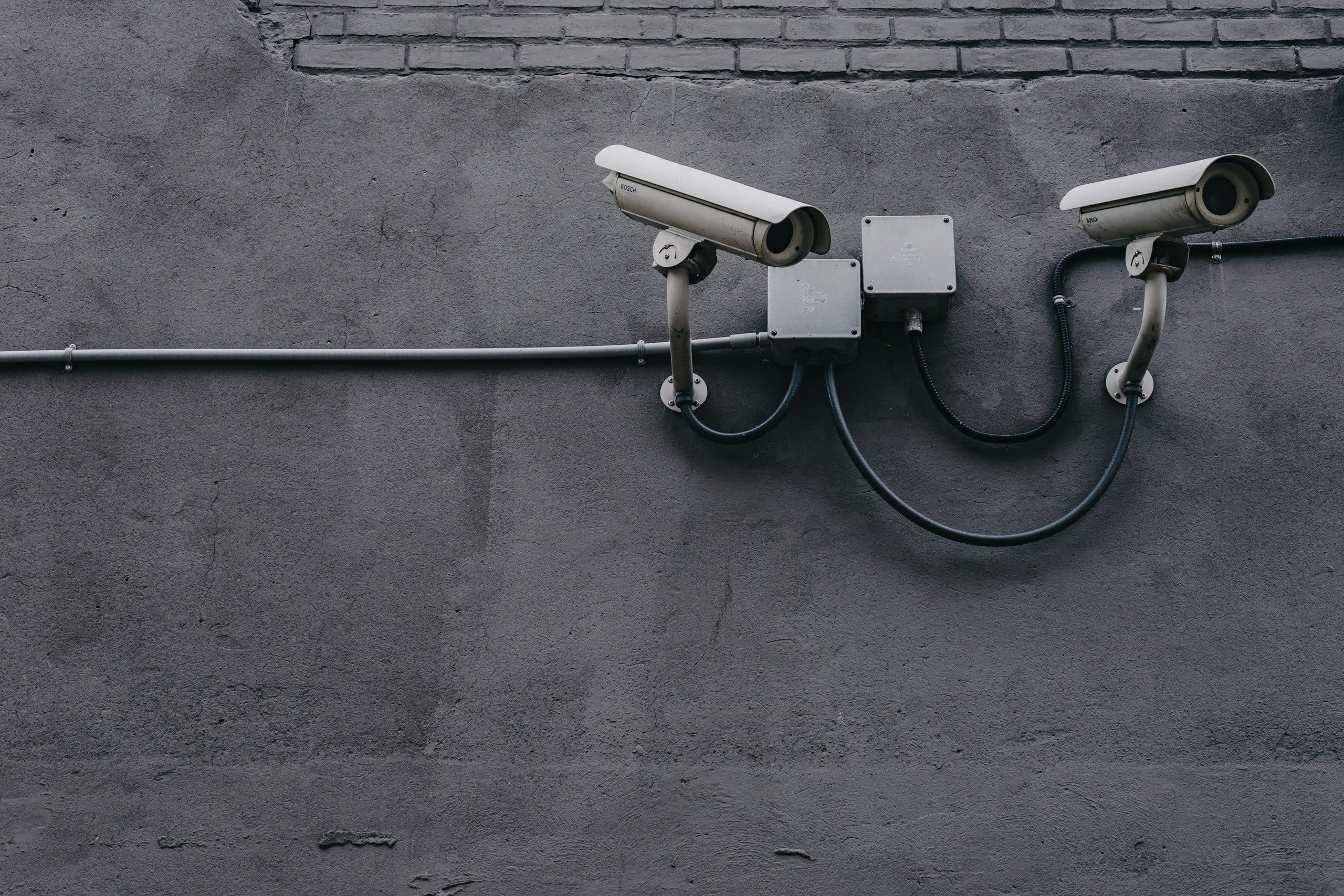
A property with more cameras than it needs, aimed at the wrong angles, still has blind spots. Camera placement should start from a walk-through of actual entry points, sightlines, and choke points.
Power and network cabling decide reliability
Most CCTV failures trace back to cabling, not the camera itself: undersized PoE runs, cable routed without protection from weather or physical damage, or network infrastructure that wasn’t designed to carry continuous video traffic. Getting this right at install avoids most of the "camera stopped working" callouts later.
Recording and remote access need to match how you’ll actually use it
A system with weeks of local recording but no remote viewing setup is a very different tool than one built for real-time monitoring from a phone. Deciding how the system will actually be used, reviewing footage after an incident vs. active monitoring, changes the NVR/DVR spec and network configuration needed.
Integration multiplies the value of the same cabling work
Once structured cabling and power are in place for CCTV, integrating gate access control or intercom systems onto the same infrastructure is a much smaller step than running it as a separate project later. Planning for that integration during the initial cabling design avoids redoing work.
Scope a job with our team
Tell us what you need built, fixed or installed. We’ll look at it properly and come back with a scoped assessment.