
How to Choose CCTV Cameras for Home Surveillance
Camera specs on a box rarely tell you whether a system will actually cover your property. These are the factors that do.
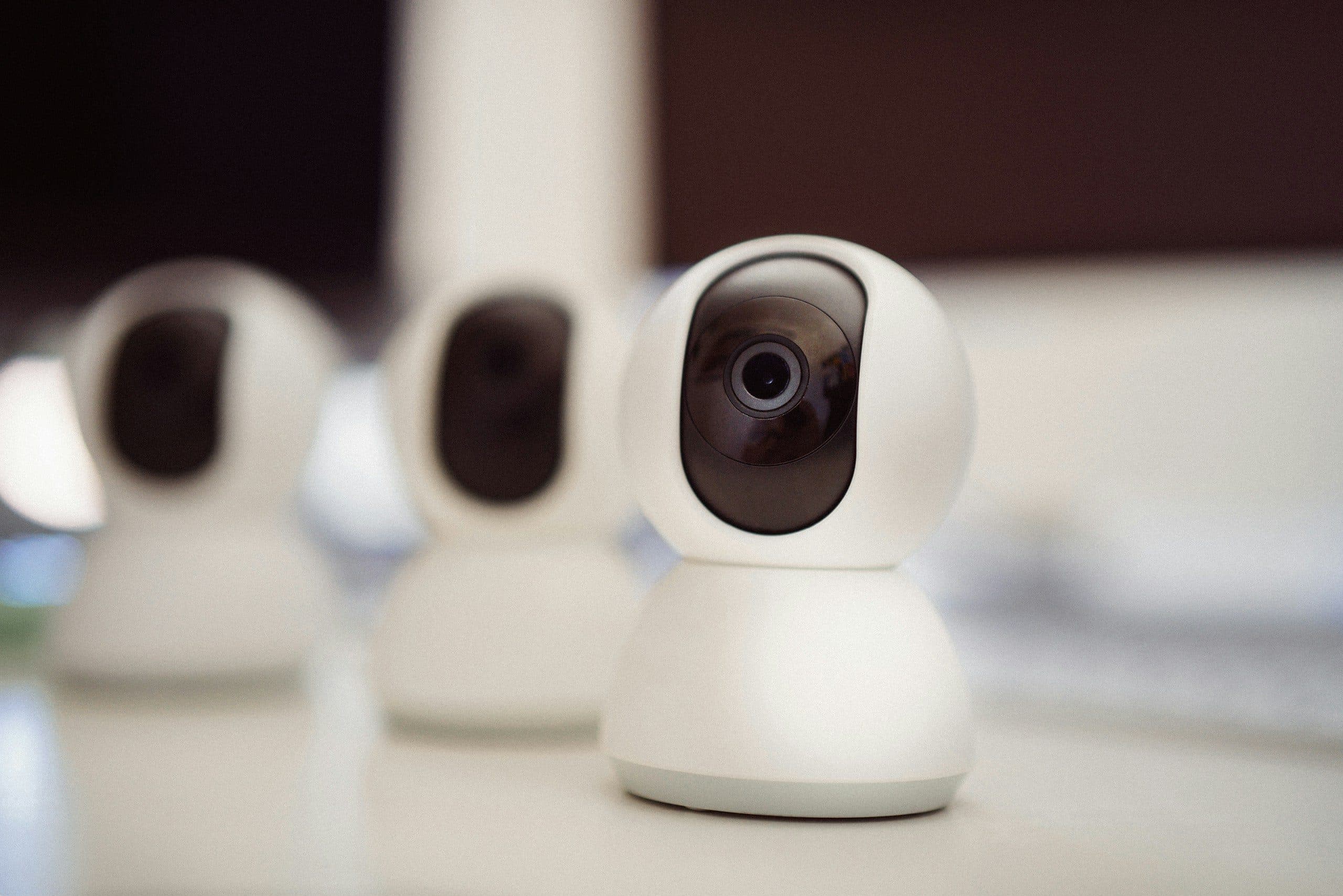
Resolution matters less than lens and placement for identifying detail
A higher megapixel count is often marketed as the headline spec, but a high-resolution camera with the wrong lens angle or poor placement still fails to capture a usable face or license plate at the distance that matters. Lens focal length matched to the actual distance being covered, and camera position chosen for that specific coverage goal, has more effect on whether footage is actually useful than resolution alone.
Low-light and night performance separate usable footage from a grainy silhouette
Most incidents worth reviewing happen at night. Infrared range, sensor size, and whether a camera uses colour night vision versus traditional IR black-and-white all affect whether footage from an actual incident is identifiable, not just whether something moved.
Wired PoE or Wi-Fi is a reliability decision
Wi-Fi cameras are simpler to install but inherit every weakness of the property’s wireless network: range, interference, and an outage that takes the whole system down at once. Wired Power-over-Ethernet cabling costs more to install but delivers more consistent bandwidth and reliability, particularly for a system with multiple cameras recording continuously. See our guide on CCTV camera placement and cabling basics for the planning side of this.
Decide storage and retention at design time
NVR/DVR storage capacity, recording resolution, and how many days of footage you actually want retained are a sizing calculation. You only find out the retention period was too short after the footage you needed is gone.
A camera list is not a system design
Picking individual camera models before mapping actual coverage needs (entry points, blind spots, specific assets) tends to leave gaps a proper site survey would have caught. We start from what needs covering and design the system around it.
Scope a job with our team
Tell us what you need built, fixed or installed. We’ll look at it properly and come back with a scoped assessment.