
A Practical Generator Maintenance Checklist
A generator that sits idle between outages is the one most likely to fail when you need it. These are the checks worth building into a routine.
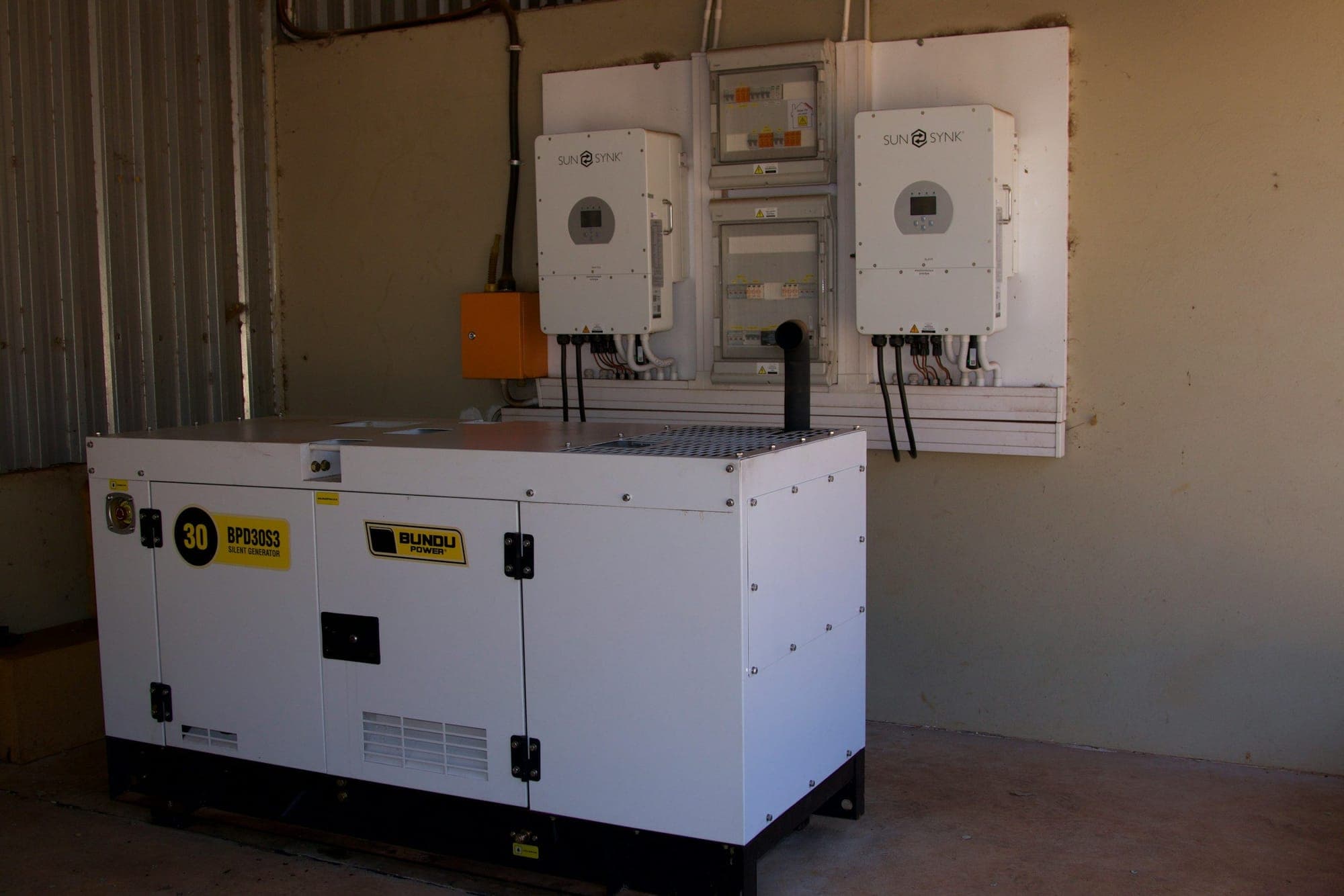

Why standby generators fail
Most generator failures are not dramatic. Old fuel, a weak starter battery, a blocked filter or a loose connection is usually enough to stop a set from starting at the moment the grid goes down.
Checks to run regularly
Follow the manufacturer's service schedule for oil, filters and coolant, and keep a simple log of what was done and when. Run the generator on a regular schedule, ideally with some load on it, so fuel and components do not sit unused for months.
Look over fuel condition and storage, the starter battery and its terminals, belts and hoses, and the exhaust and ventilation around the set. Check for leaks and unusual noise or vibration.
Do not forget the electrical side
If the generator feeds a building through a changeover switch or an automatic transfer switch, that equipment needs testing too. A set that runs perfectly but cannot connect safely to the building does not help. Servicing and electrical checks are best done by a qualified technician.
Put it on a schedule
A planned maintenance agreement turns these checks from something you remember when the power fails into something that simply happens. Ask what visits include and what is recorded afterwards.
Scope a job with our team
Tell us what you need built, fixed or installed. We’ll look at it properly and come back with a scoped assessment.