
How Often You Actually Need an Electrical Safety Inspection
Waiting for something to visibly fail means the inspection happens after the risk, not before it. Here is how to think about timing instead.
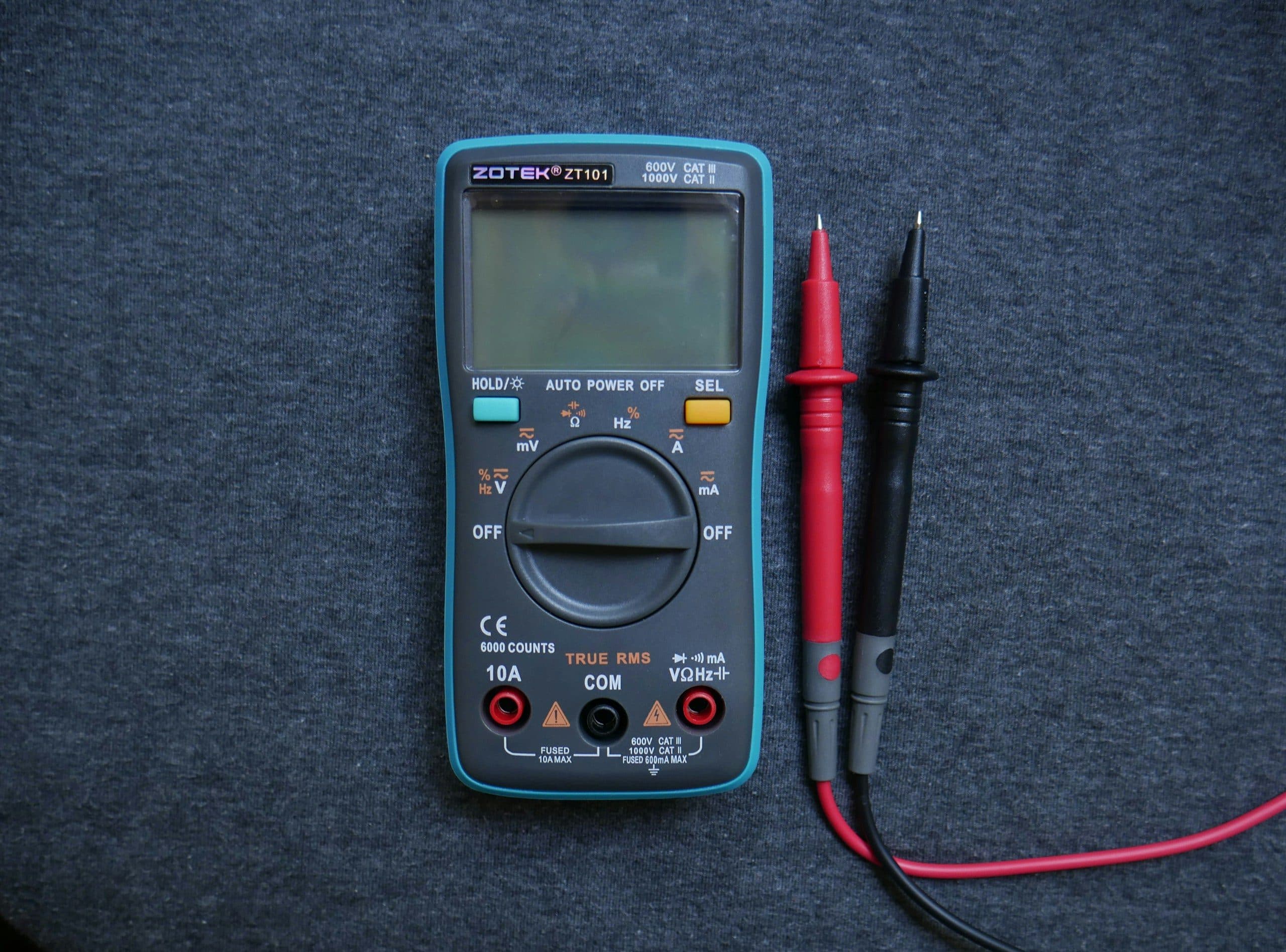
How often depends on the property’s type and age
A newly wired residential property, a commercial space with heavy daily equipment use, and an ageing industrial panel don’t carry the same risk profile, so they don’t belong on the same inspection interval. Higher load, higher occupancy, and older infrastructure all shift toward more frequent checks. A single blanket recommendation for every property type isn’t a useful answer.
What matters more than hitting an exact interval is having a scheduled inspection at all, rather than relying on visible failure as the trigger.
Specific events should trigger an inspection regardless of schedule
A change of property ownership or tenancy, a major renovation that added load without a corresponding review of the panel and circuits, any recent flooding or fire near electrical infrastructure, or the property changing to a higher-demand use than it was originally wired for. Each of these is a reason to inspect immediately, independent of when the last scheduled check happened.
Recurring symptoms are the other trigger: breakers tripping repeatedly, warm switches or sockets, flickering lights, or a burning smell near the panel are signs worth an inspection now, not at the next scheduled interval.
What a real inspection actually covers
A proper inspection goes beyond a visual look at the panel: it includes testing earthing and bonding, checking insulation resistance on circuits, verifying breaker and RCD/earth-leakage function actually trips at the right threshold, and checking for loose connections and thermal hotspots that a visual check alone misses.
A written report with findings and recommended actions, not just a verbal "looks fine," is what makes an inspection useful as a record, both for your own planning and, for commercial and industrial sites, as documentation for compliance purposes.
A maintenance contract removes the guesswork on timing
For a commercial or industrial site in particular, a scheduled maintenance arrangement handles the timing for you. Inspections happen on a set schedule appropriate to that property’s risk profile, with findings tracked over time so a developing issue shows up as a trend, not a surprise.
Scope a job with our team
Tell us what you need built, fixed or installed. We’ll look at it properly and come back with a scoped assessment.