
How Smart Access Control Systems Actually Work
Beyond the smart lock on the front door, access control is a layered system. Here is how the pieces fit together.
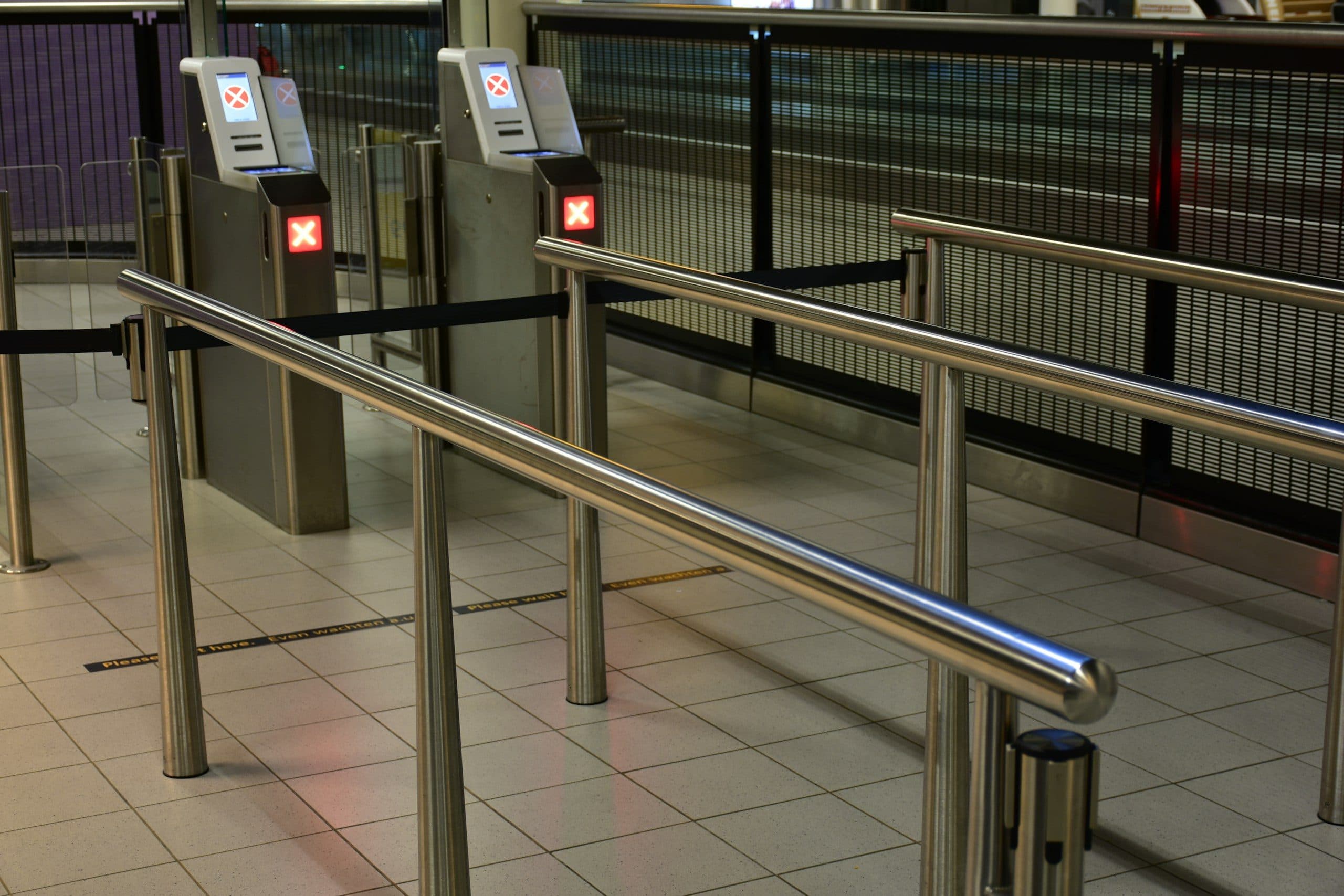
Credentials: what the system checks before granting access
A keypad code, an RFID card or fob, a smartphone app credential, or biometric input (fingerprint, facial recognition) are all forms of credential the system checks against an authorized list before unlocking a door, gate, or turnstile. Most real installations mix credential types by entry point rather than standardizing one method everywhere. A main gate might use RFID for staff and a keypad for visitors, for instance.
The controller is the decision-making layer
Behind every reader sits a controller that checks the presented credential against a permissions database and decides whether to unlock, and logs the attempt either way. This is what makes access control fundamentally different from a plain lock: every entry attempt, granted or denied, becomes a timestamped record rather than disappearing the moment it happens.
Permissions can be scheduled and limited
A proper system supports time-based and zone-based permissions: a cleaner’s credential that only works during working hours, or a contractor’s credential limited to one entry point. Not every valid credential needs access to everything, all the time.
Integration with gates, CCTV, and power backup
Access control rarely runs in isolation on a well-designed system: gate automation ties into the same controller logic, CCTV can be triggered to record on a denied-access attempt, and because the whole system depends on power, backup power integration (generator or inverter) is part of the design if uninterrupted operation during an outage matters to you.
Scope a job with our team
Tell us what you need built, fixed or installed. We’ll look at it properly and come back with a scoped assessment.