
Signs Your Electrical Panel Needs Upgrading Before It Fails
A distribution panel rarely fails without warning. These are the signs worth acting on before it does.
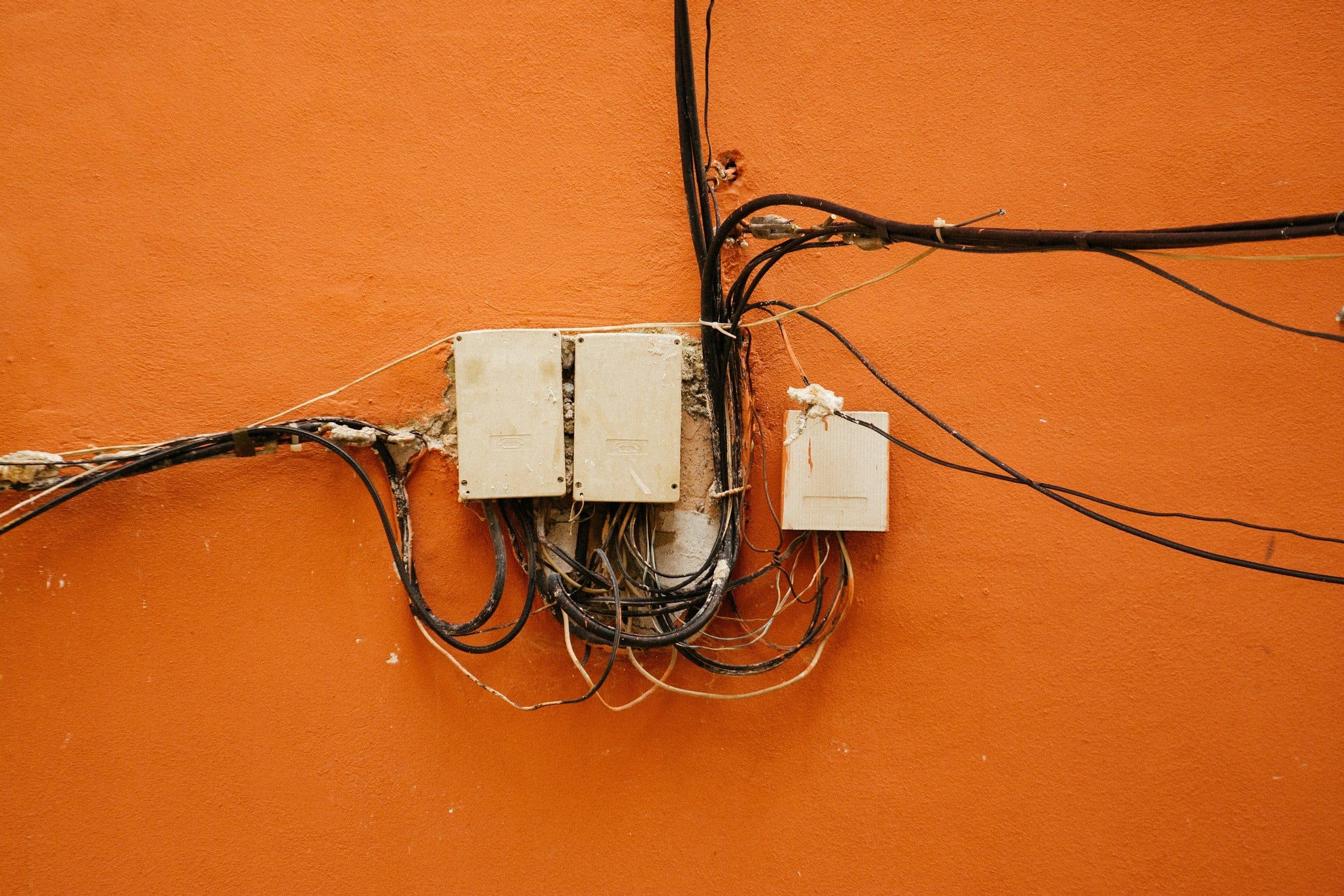
Recurring tripped breakers
An occasional trip from an overloaded circuit is normal. A breaker that trips repeatedly under normal use, especially on a circuit that used to handle the same load without issue, usually means the panel is carrying more than it was sized for, or the breaker itself is degrading.
Warm panel covers or a burning smell near the panel
A distribution panel should be cool to the touch during normal operation. Warmth on the panel cover, discoloration around breakers, or any burning smell are signs of a loose connection or an overloaded circuit generating heat, and should be treated as urgent. Don’t just keep an eye on it.
Adding major loads without reassessing capacity
Air conditioning units, EV chargers, and industrial equipment all draw sustained, high loads. A panel sized for a building’s original demand decades ago rarely has headroom for these additions without a capacity reassessment, and installing a major new load without checking that first is how panels get pushed past safe operating margins.
A pre-purchase or insurance inspection flags it
Panel condition is a common finding in pre-purchase electrical inspections and insurance-driven assessments. If an inspection has already flagged thermal issues, outdated breaker types, or capacity concerns, that is a documented reason to act now, before a failure forces the issue.
What a proper assessment looks like
A panel assessment should include thermal imaging to catch heat-related issues invisible to the eye, a capacity check against current and planned loads, and an inspection of breaker and busbar condition. The outcome should be a clear repair, re-rate, or replace recommendation.
Scope a job with our team
Tell us what you need built, fixed or installed. We’ll look at it properly and come back with a scoped assessment.