
Surge Protection for Homes and Offices: What It Does and Where It Fits
Voltage spikes damage electronics without any warning. This is how surge protection works and why it sits alongside good earthing, not instead of it.

What a surge is
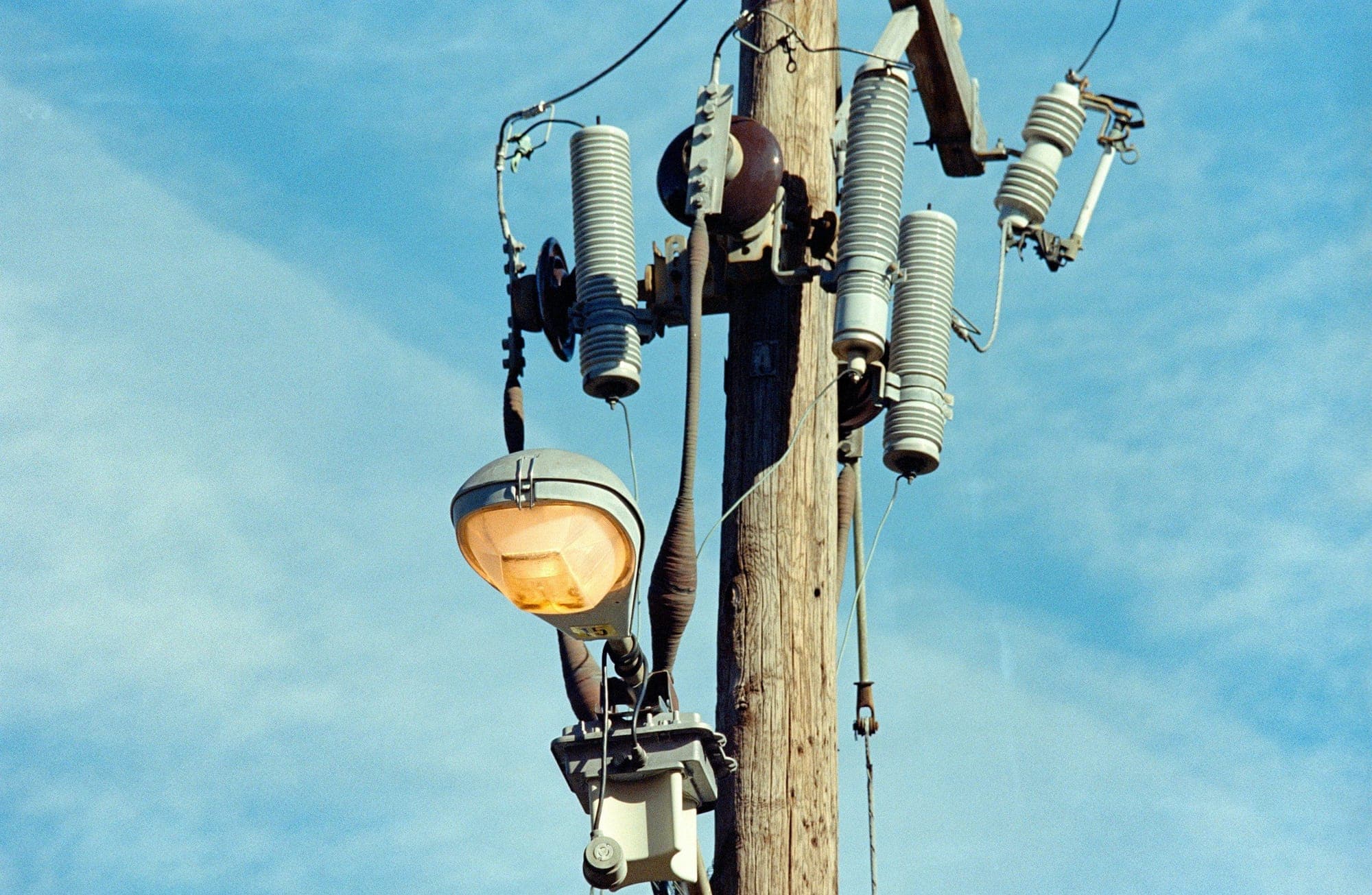
A surge is a short, sharp rise in voltage on the supply. It can come from the grid, from switching large loads on and off, from a generator changeover, or from lightning nearby. Most are too brief to notice, but they stress electronics, and a large one can destroy equipment outright.
How surge protection works
A surge protective device (SPD) sits on the supply and diverts excess voltage to earth before it reaches your equipment. Protection is usually layered: a device at the main distribution board handles the largest events, and further protection closer to sensitive equipment handles what remains.
Why earthing comes first
An SPD can only divert a surge to earth if there is a good earth to divert it to. A poor or degraded earthing system limits what protection can do, which is why surge protection and earthing are designed together. Our guide on earthing and lightning protection covers the earthing side.
What to ask for
Ask where devices will be fitted, what they are rated for, how the earthing will be checked, and how you will know when a device has reached the end of its life, because protective devices wear as they absorb events. A site assessment is the right place to decide this for your building.
Scope a job with our team
Tell us what you need built, fixed or installed. We’ll look at it properly and come back with a scoped assessment.