
Cable Sizes for Residential Electrical Installations
The right cable size depends on load, run length, and installation method together. There isn’t one lookup number for "a socket circuit."
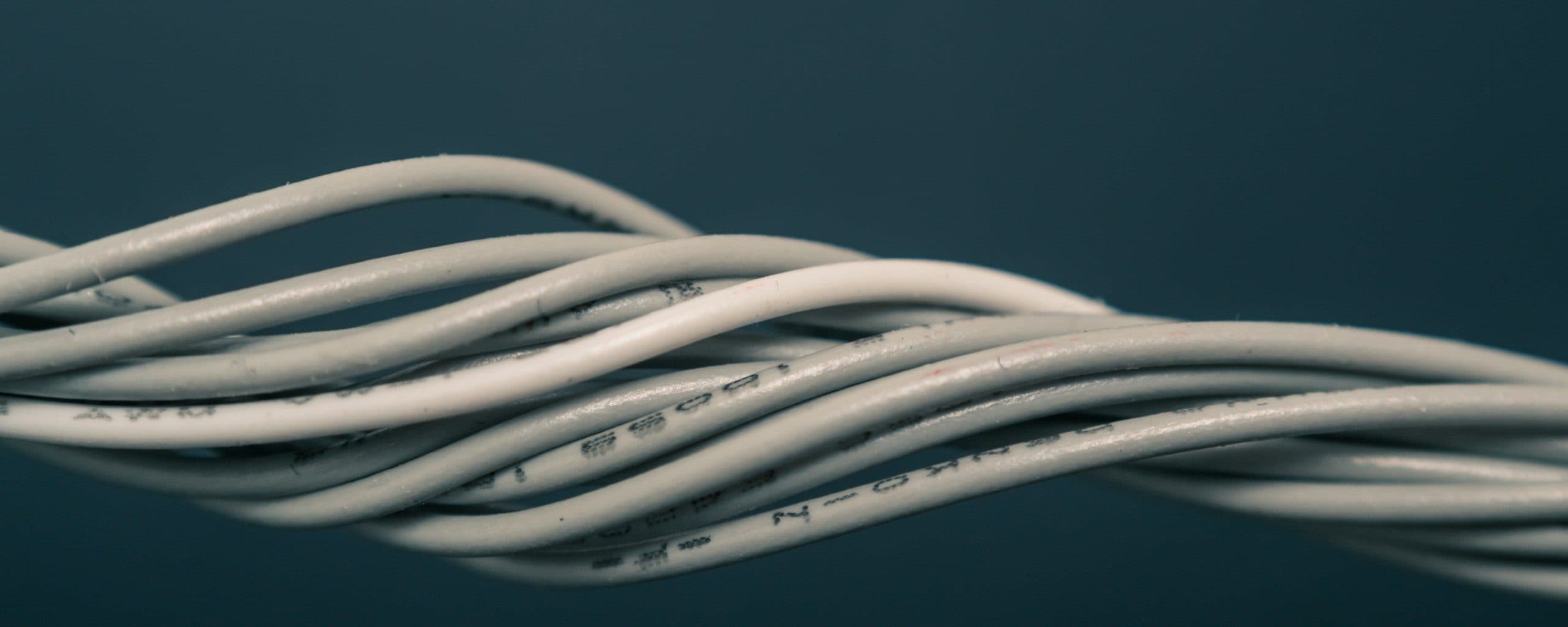
Cable size follows the current it carries
A cable rated for a given current-carrying capacity has to be sized to the actual load it will carry, with a safety margin, not chosen from habit because "that’s what goes on a socket circuit." Two circuits that look identical on a drawing can need different cable sizes if one feeds a run of general sockets and the other feeds a fixed high-draw appliance like an air conditioner or an electric water heater.
Undersizing shows up as overheating under sustained load, well before it trips a correctly rated breaker. The breaker protects the cable from a fault current, not from a mismatch between cable size and normal operating load.
Run length and voltage drop change the calculation
The same load run over a longer cable length needs a larger cable to keep voltage drop within an acceptable range, particularly for outbuildings, boreholes, or a garage some distance from the main distribution board. A cable sized correctly for a short run can still cause dimming, sluggish motor starting, or unreliable operation of sensitive electronics if used unchanged over a much longer run.
This is why a cable schedule is a real engineering document: it accounts for each circuit’s actual length alongside its load.
Installation method affects the derating
A cable bundled tightly with several others inside conduit, or buried underground, dissipates heat differently than one run singly in free air, which changes its safe current-carrying capacity for the same cross-sectional area. Sizing a cable schedule from a single generic table without accounting for how each run is actually installed is a common source of undersized circuits that look correct on paper.
Ambient temperature matters too. A roof space or an enclosed panel room that runs hot reduces a cable’s safe capacity compared to the same cable in a cooler location.
Size the cable first, then the breaker
Once a cable is correctly sized for its load, run length, and installation method, the circuit breaker or fuse protecting it is selected to protect that specific cable from overload and fault current. An oversized breaker on an undersized cable defeats the protection it is meant to provide. This is one of the most common defects we find on inspection of existing installations: a cable that was adequate for its original load, with a breaker later upsized to stop nuisance tripping instead of correcting the underlying load mismatch.
Scope a job with our team
Tell us what you need built, fixed or installed. We’ll look at it properly and come back with a scoped assessment.