
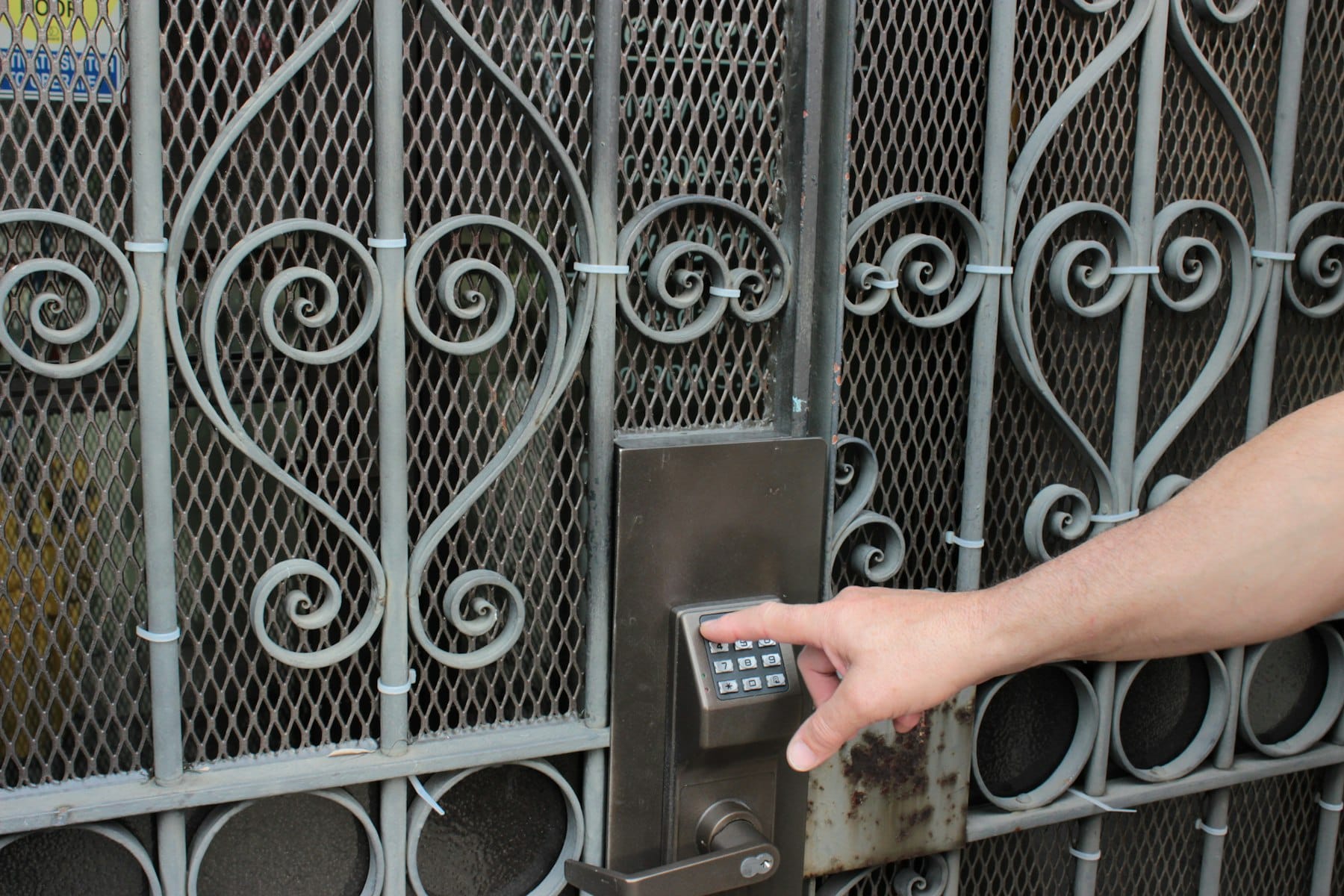
Security Systems Technician Training
This 6-week course teaches you to install and maintain intruder alarms, access control and automatic gates, with an introduction to fire detection. Next cohort to be announced: register your interest and we will contact you.
Quick facts
No cohort has been scheduled. Register your interest and we will contact you. Next cohort to be announced.
- Duration
- 6 weeks
- Fee
- ₦150,000
- Location
- Abuja, FCT, Nigeria
- Who it is for
- Electricians, CCTV installers and technicians who want to add alarms, access control and gates
- Experience
- Basic electrical or technical knowledge helps
- Schedule
- To be confirmed with each cohort
- Accommodation
- Not provided
- Transportation
- Not provided
- Personal tools
- Recommended
- Certificate
- Programme completion certificate, subject to attendance and assessment
- Electricians and electrical technicians
- CCTV installers who want to offer a full security service
- Technicians who service gates and access systems
- Engineering graduates and technical students
- Facility staff who look after security equipment
Who should not apply
- Anyone who needs accommodation, feeding or transport to be provided
- Anyone expecting the programme to guarantee a job at the end
- How intruder alarm systems are put together
- How to install, program and test an alarm
- How access control works: keypads, cards, fingerprint readers and locks
- How to power access systems and keep them working in an outage
- How automatic gate motors, sensors and remotes work
- How fire detection systems are laid out (introduction)
- How to test, maintain and find faults
The 6-week course, week by week
Week 1
Security fundamentals and intruder alarms
- Control panels, zones and sensors
- Sirens and keypads
- Wired and wireless systems
- Planning an alarm layout
Week 2
Alarm installation and programming
- Wiring and mounting
- Programming zones and users
- Testing and false-alarm causes
- Backup power for alarms
Week 3
Access control
- Keypads, card and fingerprint readers
- Magnetic locks and electric strikes
- Exit buttons and door sensors
- Power supplies and battery backup
Week 4
Automatic gates
- Sliding and swing gate motors
- Safety sensors and limit settings
- Remote controls and manual release
- Electrical supply and protection for gates
Week 5
Fire detection introduction
- Conventional and addressable systems (overview)
- Detectors, call points and sounders
- Basic installation and testing
- Where regulations and specialist design apply
Week 6
Integration, maintenance and final practical
- Combining alarm, access control and CCTV
- Fault-finding and maintenance
- Documentation and handover
- Final practical assessment
You work on real security equipment. Which equipment you use depends on what is available during the course.
- Installing and programming an alarm
- Wiring and testing access control
- Setting up and testing a gate motor
- Tracing and fixing planted faults
- Able to attend the full course in Abuja
- Basic electrical or technical knowledge helps
- Willing to follow electrical and working-at-height safety rules
- Willing to practise only under supervision
What should I bring?
Smart home work needs basic electrical tools and a few small ones for devices. Which devices you work with depends on the equipment available during the training.
Applicants are strongly advised to get their basic personal tools before training begins. You do not need expensive specialist equipment; specialist equipment may be provided or made available for supervised activities.
Must have
Basic tools you are expected to get.
- Precision screwdriver set
- Screwdriver set
- Pliers and side cutters
- Wire stripper
- Multimeter
- Voltage detector
- Tape measure
- Spirit level
- Marker
- Tool pouch
- Notebook
Strongly recommended
Useful tools that improve your practical learning.
- Cable tester where appropriate
- Small drill-driver where authorised
- A smartphone to install and test device apps
- A laptop, if you have one
Provided or available during supervised work
You do not need to buy these.
- Demonstration devices, hubs and gateways for training
- Supervision and instruction
- Required PPE for practical work
Specialist equipment
Do not buy unless you are specifically asked.
- Any expensive specialist equipment. Buy nothing unless you are specifically asked
Abuja, FCT, Nigeria
Training is in Abuja, FCT. We do not provide accommodation, feeding or transport.
- Attend every scheduled session and practical activity
- Arrive on time
- Repeated absence can affect assessment and certificate eligibility
A final practical: install, program, test and hand over a small security system.
- Installing an alarm or access control
- Programming and testing
- Setting up a gate system
- Explaining and documenting the result
Fees, what is provided and what to expect
₦150,000
6 weeks
Payments are non-refundable once acceptance or training has commenced, whichever occurs first.
Programme fees are separate from personal expenses such as accommodation, feeding, transportation and personal tools, unless a programme page says otherwise.
Pay only through the official payment instructions sent to you after acceptance. Do not pay an individual or an unofficial account.
What we provide
- Supervision and practical instruction, according to the programme
- Required PPE for practical work, as the site and programme require
- Specialist equipment for supervised activities, subject to availability
What you provide
- Accommodation
- Feeding
- Daily transportation
- Relocation
- Personal tools and personal items
- Personal living expenses
Accommodation, feeding, relocation assistance and transportation are not provided. Applicants are responsible for their own arrangements and personal expenses.
Employment and certification
Completing a training programme does not guarantee employment with us.
A completion certificate confirms completion of the relevant programme requirements. It is not a government licence, COREN registration, NEMSA competency certification, a professional engineering registration or a manufacturer-authorised installer certification. Anyone who needs statutory or professional certification must complete that external process separately.
Common questions
How much does the security systems training cost?
The fee is ₦150,000 for the 6 weeks programme. Payment is made only after acceptance, through the official payment instructions.
Where is the training held?
In Abuja, FCT.
When does the next cohort start?
No cohort has been scheduled yet. Next cohort to be announced. Register your interest and we will contact you.
Do I need previous experience?
Basic electrical or technical knowledge helps. Beginners should say so in the form.
What tools do I need?
Basic hand tools. See “What should I bring?” on this page. You do not need to buy specialist equipment.
Does this make me a licensed fire-safety installer?
No. The fire detection part is an introduction. Fire systems are designed and certified to specific standards, and this course does not qualify you for that. We say plainly what it does and does not cover.
Is accommodation or transport provided?
No. Accommodation, feeding, relocation assistance and transportation are not provided.
Do I get a certificate?
Successful participants may receive our programme completion certificate, subject to attendance and assessment. It is not a COREN or NEMSA qualification.
Does the programme guarantee a job?
No. Completing a training programme does not guarantee employment with us.
Is the fee refundable?
Payments are non-refundable once acceptance or training has commenced, whichever occurs first.
Register your interest
Tell us about yourself. We will contact you when the next cohort is confirmed. Registering costs nothing.
Register your interest
Fill in the short form on this page with accurate details.
We review it
A member of the team reads every registration and checks it against the entry requirements.
Assessment or interview where needed
Some programmes use a short interview or a practical discussion before a place is offered.
Acceptance and payment instructions
Accepted applicants receive the programme details and the official payment instructions. Pay only through those.
Orientation and start
You receive reporting, attendance, tools, safety and programme information before the first day.
Questions first? Contact the team. Your details are used as described in our Privacy Policy.
Related programmes and pages
- CCTV Installer Training Add cameras to your security skills.
- Networking for Installers The network side of modern security systems.
- Our security work See the systems we install for clients.
- All Careers and Training Compare every programme side by side.
Programme information reviewed by the engineering team.
Questions before you apply?
Call or email the team and we will point you to the right programme.