
Common Solar Installation Mistakes We See in Nigeria
Most underperforming solar systems weren't built with bad equipment. They were built without an engineering process behind them.
Sizing from a sales conversation instead of a load assessment
A system specified from a rough description of what a client wants to power, without measuring actual load and usage pattern, tends to land in one of two failure modes: undersized and unable to carry the intended backup load, or oversized in a way that wastes money on capacity that's rarely used. Both are avoidable with a proper site assessment before any equipment is specified.
Ignoring shading and roof orientation at design stage
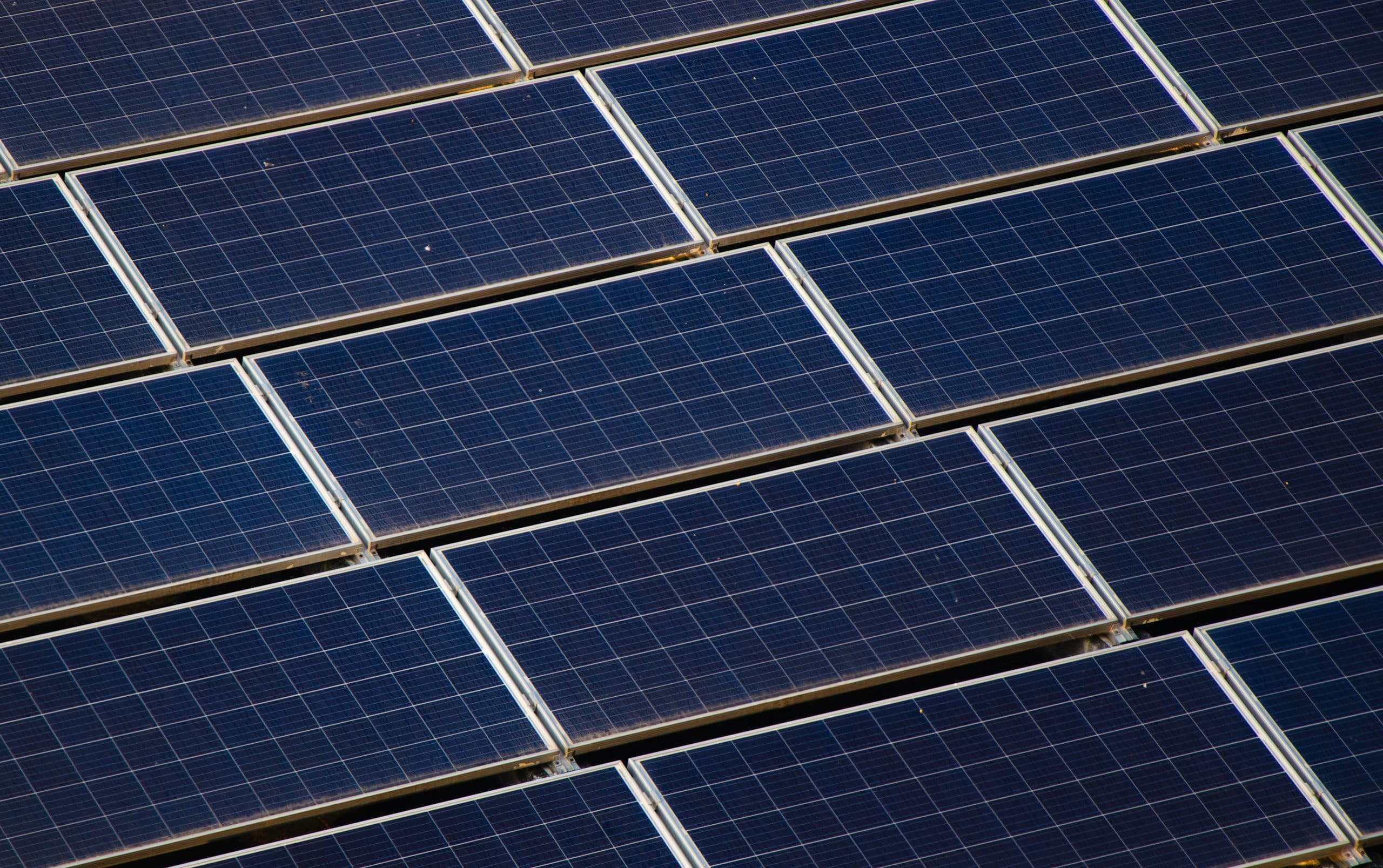
Partial shading on even a small portion of a panel string (from a water tank, a neighbouring structure, or a tree that grows over time) can drag down the output of an entire string, not just the shaded panels, depending on how the array is wired. A design based on the site’s shading across the whole day, rather than one site visit, avoids this.
Roof orientation and pitch affect realistic daily output too; a design that ignores this and applies a generic sun-hours assumption regardless of the specific roof tends to overpromise on performance.
Under-specifying cabling and combiner protection for a DC array
Solar DC wiring runs at different voltage and fault characteristics than the household AC wiring most general electrical work deals with, and needs cable sizing, combiner boxes, and DC-rated protective devices selected accordingly. Using AC-rated components on a DC circuit is a common corner cut on installs that were priced to compete purely on panel count and battery capacity, since it’s not visible without inspecting behind the panels.
No commissioning or monitoring at handover
A system that powers on the day of installation isn’t verified to actually deliver its designed backup duration or recharge on schedule unless it’s tested against that design at commissioning. Without monitoring in place from day one, a slowly degrading string, an underperforming inverter, or a battery not reaching full charge can go unnoticed for months. The first sign is often a backup that runs out sooner than expected during an extended outage, by which point the underlying fault has usually gotten worse.
Scope a job with our team
Tell us what you need built, fixed or installed. We’ll look at it properly and come back with a scoped assessment.