
What Happens During an Electrical Site Assessment
A site assessment is where sizing, pricing and safety decisions start. Here is what is looked at and how to get ready for one.

It starts with measurement, not assumption
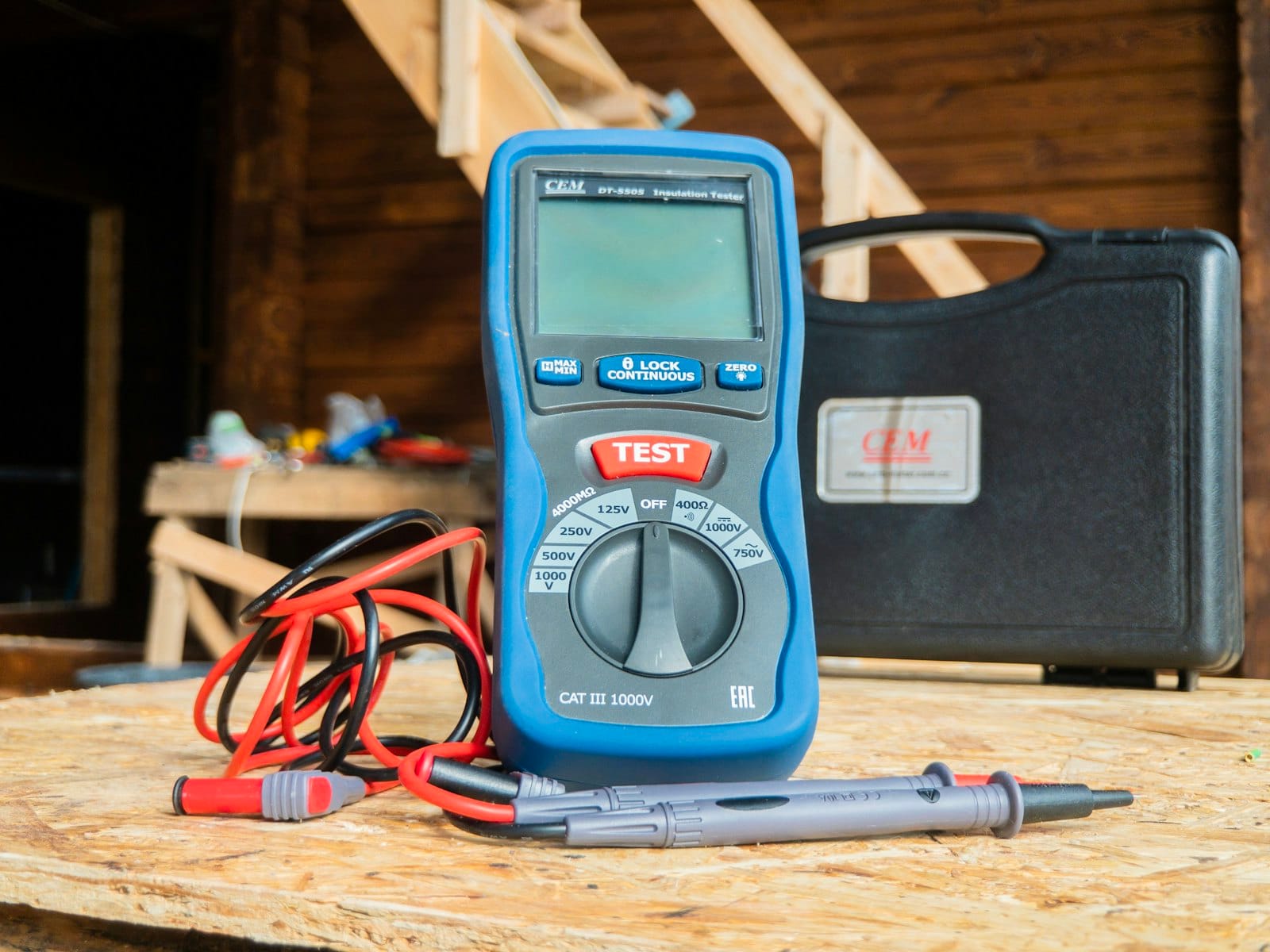
A useful assessment is based on what the building actually uses and how it is actually wired. Load audits measure consumption at circuit level on site, and later sizing decisions are based on that audit.
What gets checked
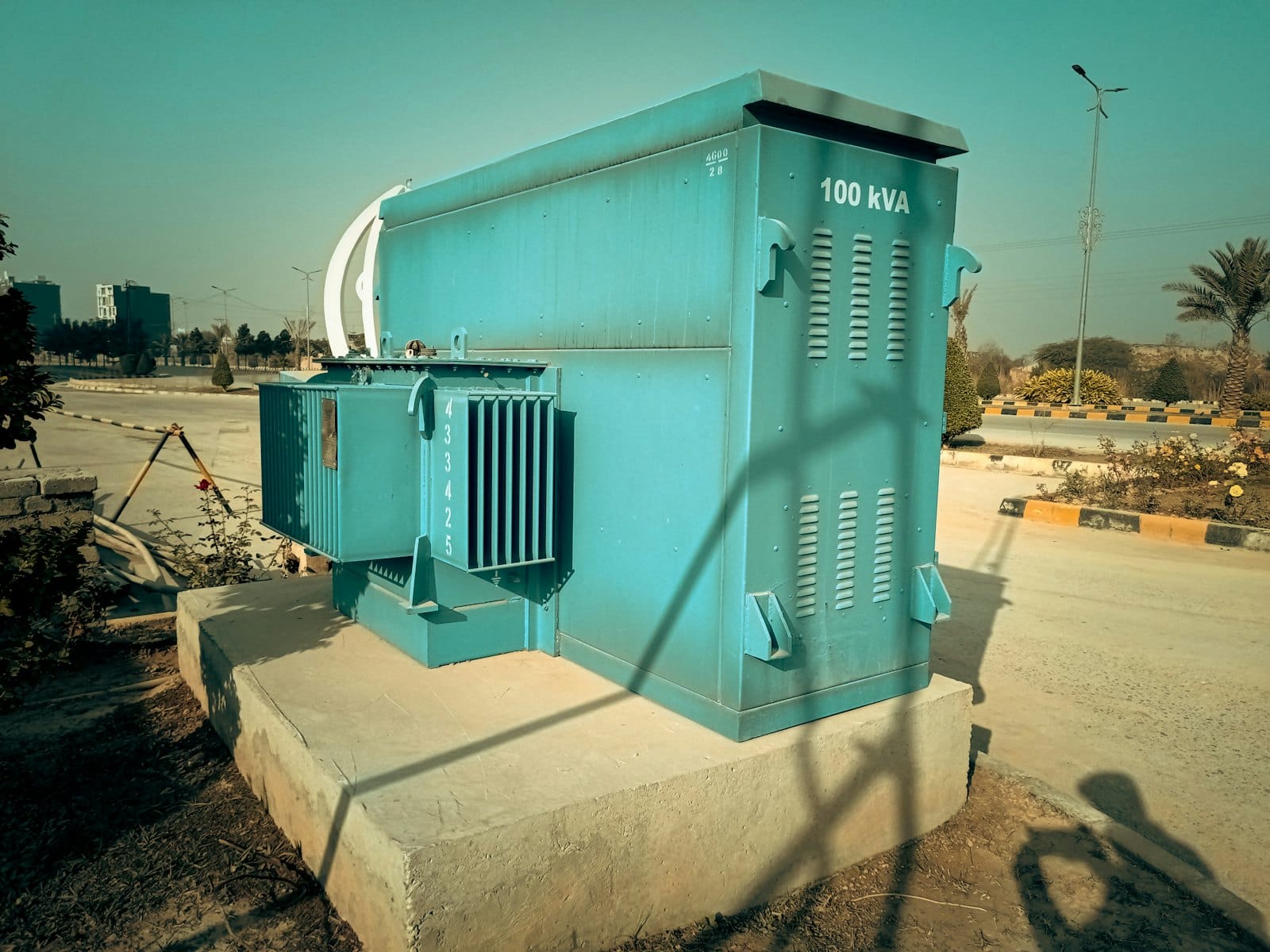
Depending on the job, the assessment covers the existing condition of the installation, the connected loads and estimated demand, the distribution board and circuits, and any faults or hazards identified on the visit.
Where an inspection is part of the scope, findings are checked against COREN/NEMSA-referenced checklists on site, with photographs attached to each finding rather than a verbal walk-through.
What it leads to
The result is a scoped recommendation: cables and protective devices sized to the measured load, and for solar or generator work, capacity sized from real consumption and your backup priorities. See our guide on what you should receive at the end of an electrical project for the records that follow.
How to get ready
Have any drawings, bills of quantities or earlier electrical records to hand, and a list of the equipment you run, especially anything large such as air conditioners, pumps or machinery. Note when and where faults happen, make sure someone can give access to the distribution board and any plant rooms, and tell us about any planned changes such as an extension or new equipment.
For larger commercial, industrial or development projects, the project assessment form asks for the details that help most, including project stage, building size and tender or start dates.
Scope a job with our team
Tell us what you need built, fixed or installed. We’ll look at it properly and come back with a scoped assessment.